Understanding the Role of Solo Traders in the Modern Economy
In today’s dynamic economic landscape, solo traders play a pivotal role, offering specialized services across various sectors. These self-employed professionals, often referred to as freelancers or sole proprietors, have become essential contributors to the UK economy, particularly in small business environments. Their ability to adapt quickly to market demands and engage directly with clients allows them to offer personalized services that larger firms may struggle to provide. When exploring options, Solo traders are proving to be invaluable in bridging the gap between service needs and consumer satisfaction.
What Defines a Solo Trader?
A solo trader, distinct from corporate entities, is an individual operating their own business without the need for incorporation. This structure allows them to manage their operations freely, keeping all profits while also bearing all liabilities. Common examples of solo traders include independent consultants, graphic designers, tradespeople, and writers. This model offers flexibility, allowing traders to set their schedules, dictate their workflows, and, most importantly, choose their clients. The solo trading model is especially appealing to those seeking a better work-life balance and the freedom to pursue their professional passions.
Benefits of Being a Solo Trader
- Flexibility: Solo traders enjoy the luxury of controlling their hours and work environment, enabling them to balance personal and professional commitments.
- Direct Client Relationships: Building personal rapport with clients often leads to repeat business and referrals, enhancing income stability.
- Lower Overheads: Operating without the added costs of office space and multiple employees can significantly lower operational expenses.
- Skill Specialization: Solo traders can focus on honing their niche skills, often leading to higher expertise and value in their offerings.
Challenges Faced by Solo Traders
While solo trading comes with its perks, it also presents unique challenges. One of the primary hurdles is maintaining a consistent income. Unlike traditional employment, solo traders often face fluctuating revenue that can be influenced by market demand, economic shifts, or even seasonal trends. Additionally, self-employment means managing all aspects of a business, including marketing, accounting, and client relations, which can be overwhelming for some. There's also the inherent risk of isolation, as solo traders may lack the support systems typically found in corporate environments.
Effective Strategies for Promoting Services as a Solo Trader
To thrive as a solo trader, effective promotion is key. Numerous strategies can be utilized to ensure that services are visible and appealing to potential clients.
Utilizing Online Platforms for Visibility
In the digital age, online visibility is crucial for solo traders. Platforms like social media, professional networks, and service directories can enhance reach and attract clients. Websites such as AllTogetherPlus provide an effective way for solo traders to list their offerings, connect with clients, and showcase their expertise without intermediary costs.
Crafting a Compelling Personal Brand
Building a strong personal brand can differentiate solo traders from their competitors. This involves defining a unique value proposition, creating professional quality visuals, and maintaining a consistent online presence. Regularly sharing insights and experiences through blogs or social media posts can help establish authority in one's field and foster trust among potential clients.
Networking in the Digital Age
Networking remains a powerful tool for solo traders. Engaging within industry-specific groups on social networks, attending webinars, and participating in community events can lead to valuable connections. In today's interconnected world, both online and offline networking can open doors to collaboration and new business opportunities.
Best Practices for Managing Finances as a Solo Trader
Effective financial management is fundamental for solo traders to ensure long-term viability and success.
Budgeting and Financial Planning Essentials
A clear and realistic budget can help solo traders manage expenses and anticipate fluctuating income. Setting aside funds for taxes, emergencies, and professional development ensures that they are prepared for both expected and unexpected financial challenges.
Tax Considerations for Solo Traders
Understanding tax obligations is critical for solo traders. Staying informed about allowable deductions, maintaining accurate records, and consulting with accountants can prevent financial pitfalls. It’s advisable to set aside a percentage of income for taxes to avoid surprises during tax season.
Investing in Personal and Professional Growth
Investing in training, certifications, and resources can enhance skills and expand service offerings, ultimately leading to increased income. Solo traders should view these investments as essential to remaining competitive in their fields.
Leveraging Technology to Enhance Business Efficiency
Technology can significantly boost productivity and efficiency for solo traders, allowing them to focus on their core services.
Essential Tools for Solo Traders
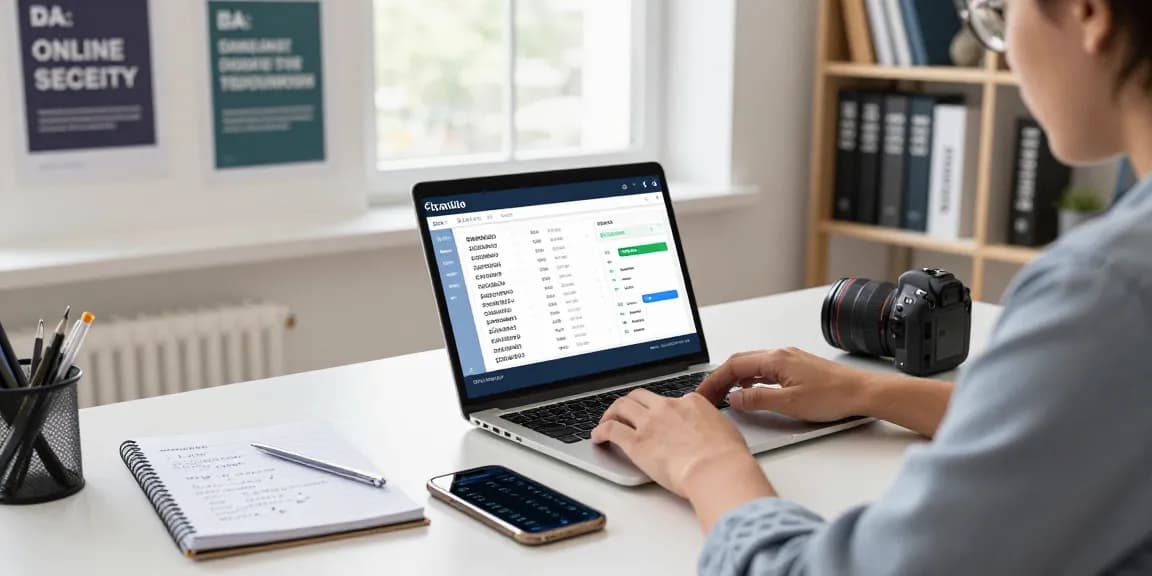
From project management software to accounting applications, various tools help streamline operations. Solutions like Trello for task management and QuickBooks for finances can save time and reduce stress, allowing solo traders to concentrate on delivering quality services.
Digital Marketing Techniques for Solo Professionals
Implementing SEO strategies, utilizing email marketing, and engaging with social media content are essential elements of a solid marketing plan. These techniques can enhance online visibility and attract more clients, resulting in increased revenue.
Automation Strategies to Save Time
Automating repetitive tasks, such as invoicing and social media posting, can free up valuable time for solo traders. Utilizing tools like Hootsuite or Buffer for social media management allows traders to maintain an active online presence without dedicating excessive time.
Looking Ahead: The Future of Solo Trading in 2026
The landscape for solo traders is continuously evolving, influenced by technological advancements and changing consumer preferences.
Emerging Trends Influencing Solo Traders
As remote work becomes increasingly normalized, many businesses are likely to continue hiring solo traders for specialized tasks. Trends such as sustainability, digital transformation, and the gig economy will shape the services sought by clients, making it essential for solo traders to stay ahead of the curve.
How to Adapt to Changing Market Dynamics
To remain competitive, solo traders must remain flexible and willing to adapt their skill sets and services. Regularly seeking feedback from clients and keeping an eye on market trends can guide necessary adjustments to offerings.
Preparing for Industry Innovations and Challenges
As technology and market dynamics shift, solo traders should be prepared to encounter new challenges. This includes investing in ongoing education and being proactive about understanding evolving regulatory requirements that may impact their business.
What Support is Available for Solo Traders?
Various resources exist to support solo traders, including online communities, local business networks, and professional organizations. These platforms can provide guidance, networking opportunities, and access to valuable resources.
How Can I Maximize My Online Presence as a Solo Trader?
Building an effective online presence requires a multi-faceted approach, integrating social media, a professional website, and engaging content that showcases expertise. Regular interactions with potential clients can build trust and enhance visibility.
What Are the Financial Implications of Being a Solo Trader?
Solo traders must understand the implications of self-employment taxes, fluctuating incomes, and the need for careful financial planning. Developing a financial strategy can help mitigate these challenges and secure financial stability.
Which Technologies Should I Invest in as a Solo Trader?
Investing in technology that enhances productivity and improves service delivery is crucial. Key investments might include high-quality laptops, software for task management, and tools for digital marketing and client communications.
What Are the Common Misconceptions About Solo Trading?
Many misconceptions exist about solo trading, including that it's easy or that it guarantees financial stability. In reality, solo traders face significant challenges, including income variability and the need for continuous self-marketing.