Understanding Event Types and Their Unique Needs
Events come in various forms and sizes, each with distinct requirements and expectations. Understanding these nuances is crucial for successful planning. From corporate functions aimed at enhancing business relations to weddings designed to celebrate love, every event type demands a tailored approach. In this article, we’ll explore the specific needs of different events and how to address them effectively, paving the way for remarkable experiences. For a complete range of services related to event planning, take a look at https://www.casablancahire.co.uk/.
Corporate Events: Requirements and Expectations
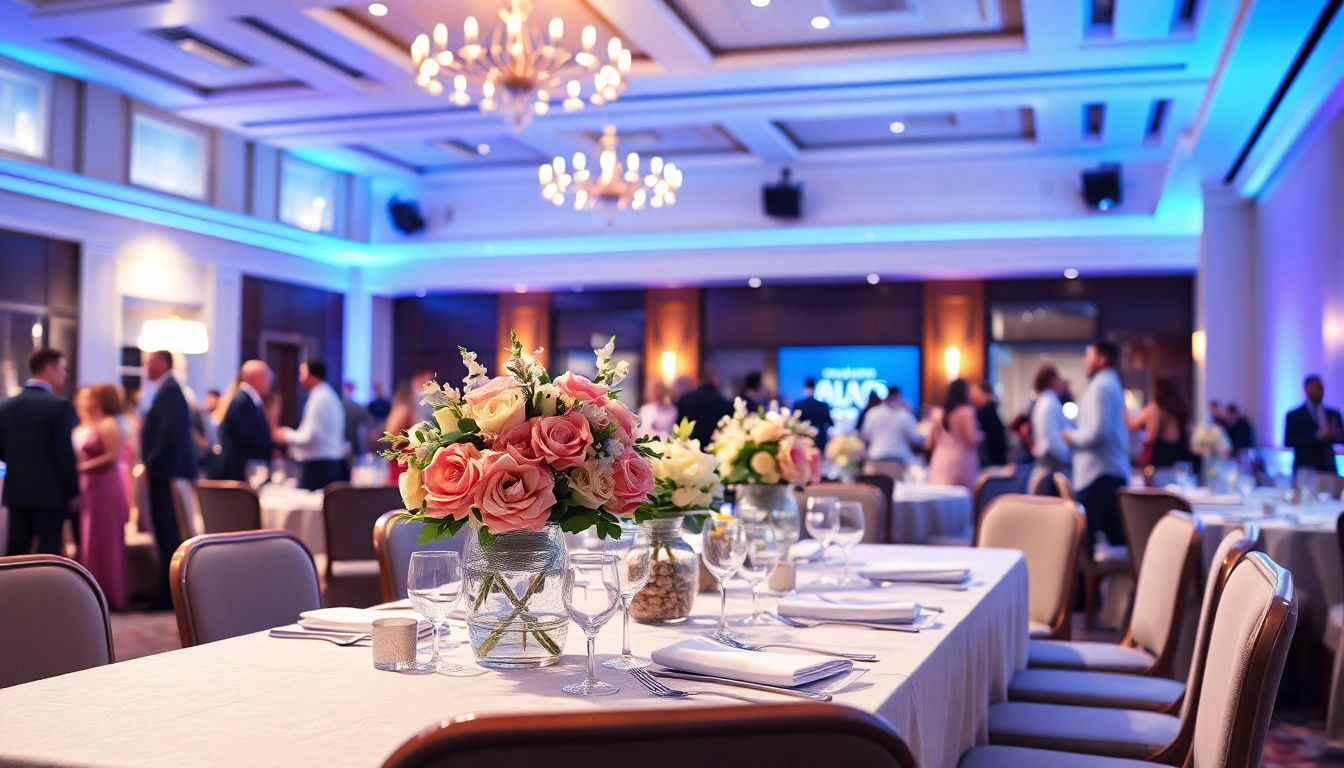
Corporate events serve various purposes: networking, team-building, product launches, and more. Each of these aims has unique needs. Corporate events often require structured agendas, professional presentations, and networking opportunities. The venue should reflect professionalism while allowing for interaction among attendees.
Additionally, catering services should cater to the diverse dietary needs of participants, ensuring that meals meet both taste and nutritional standards. Technology plays a critical role in corporate events, where audiovisual setups for presentations and live streaming can enhance the experience. Finally, a post-event measure, such as collecting feedback, helps assess the event’s effectiveness.
Weddings: Creating the Perfect Atmosphere
Weddings are inherently personal and intimate, often reflecting the couple’s love story. A successful wedding requires meticulous planning to create a memorable atmosphere. From venue selection to decor, every detail must resonate with the couple’s theme and vision.
Flowers, lighting, and colors all contribute to the ambiance, while catering should focus on quality and presentation. Music choices also play a vital role in setting the mood, influencing how guests interact and enjoy the celebration. Incorporating personal touches, such as customized favors or unique entertainment, can create unforgettable moments for both the couple and their guests.
Social Gatherings: Personal Touches that Matter
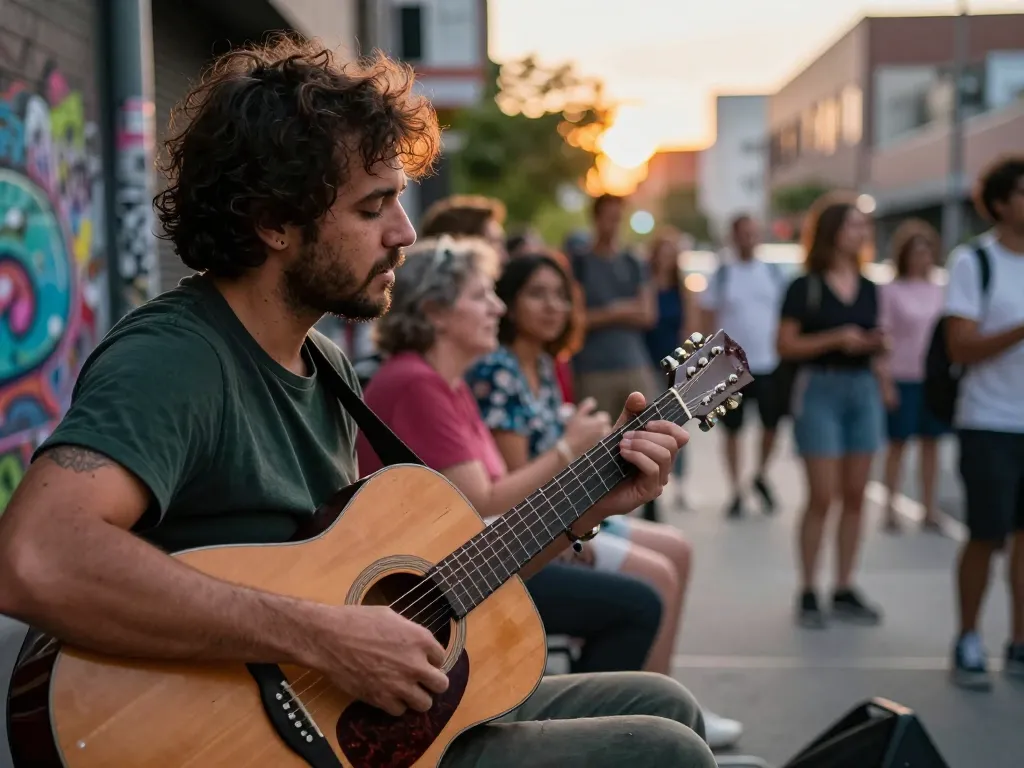
Social events, whether casual parties or milestone celebrations, thrive on personal touches that reflect the host's personality and style. Guest invitations should feel warm and inviting, whether using digital platforms or traditional methods. The venue choice should foster a convivial atmosphere, encouraging mingling and interaction.
Adding personalized entertainment options, such as photo booths or themed activities, can enhance guest engagement. For instance, for anniversary parties, incorporating a timeline of the couple's journey could spark meaningful conversations. Moreover, thoughtful catering options, including signature dishes or favorite beverages, can make the gathering truly memorable.
Essential Components for Successful Event Planning
Venue Selection: Factors to Consider
The choice of venue is one of the most critical decisions in event planning. It sets the tone and can influence the event's overall success. Key factors to consider include location, capacity, facilities, and accessibility. The venue should be centrally located to make it convenient for guests to attend, and ample parking or transportation options should be available.
Accessibility is essential; ensuring that the venue is suitable for all guests, including those with disabilities, demonstrates inclusivity. Additionally, the venue's layout should facilitate smooth traffic flow, accommodating both social interaction and structured activities without congestion. Understanding these factors can significantly impact the experience and satisfaction of attendees.
Event Themes: Crafting a Cohesive Experience
An event theme is a unifying element that defines the overall experience. It guides all aspects of planning, from decor to catering, and ensures a cohesive journey for attendees. When selecting a theme, it's essential to consider the audience and the event's purpose, aligning each detail with the chosen concept.
A few popular themes include vintage, elegant, rustic, and modern chic. Each offers a unique flavor and can dramatically affect decor, dress codes, and food selections. For instance, a vintage theme might incorporate lace, muted colors, and antique decor, whereas a modern theme might favor clean lines, bold colors, and avant-garde designs. Effective execution of the theme elevates guest experience and ensures memorable events.
Logistics and Setup: Best Practices
Logistics and setup are the backbone of any successful event. Planning should encompass all aspects, including equipment rentals, staff allocation, and setup timelines. A detailed checklist can be invaluable, ensuring each element is accounted for prior to the event. Understanding timing is crucial for a seamless setup, as delays can lead to increased stress and a disorganized environment.
Considerations should also include sound systems, lighting arrangements, and seating layouts. Each setup detail can impact the experience, such as ensuring that every seat has an unobstructed view of the stage or that dining arrangements foster easy conversation among guests. Establishing clear communication among vendors and staff pre-event can mitigate potential issues and enhance efficiency on the day of the event.
Maximizing Engagement Through Event Design
Interactive Elements: Keeping Guests Engaged
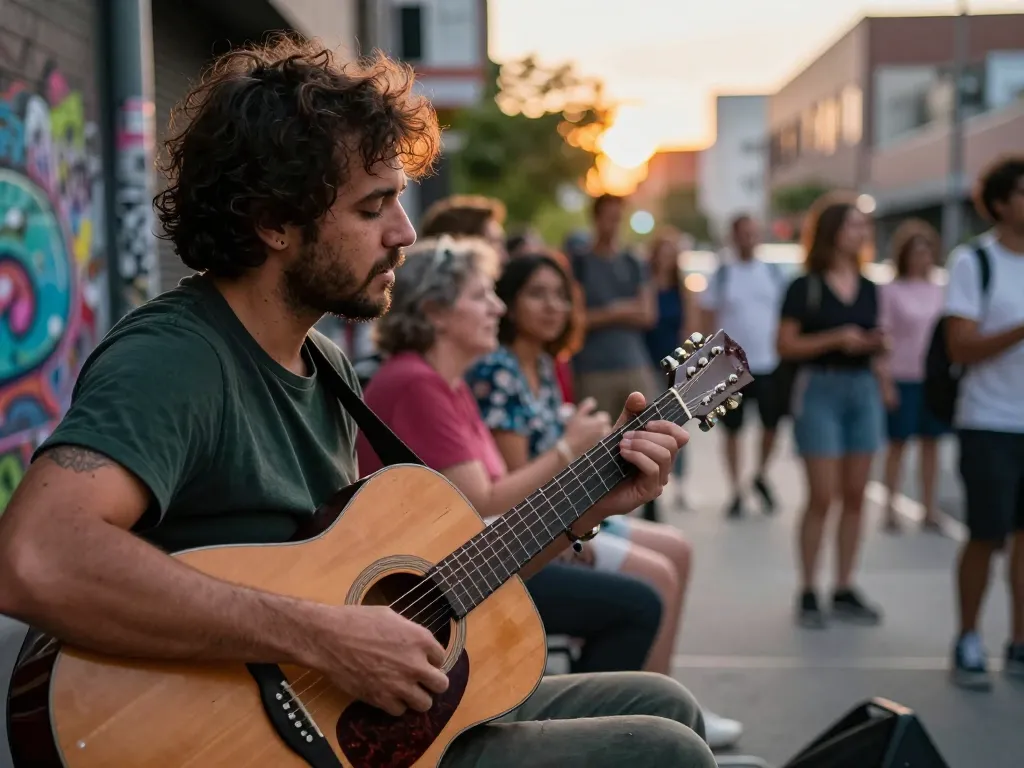
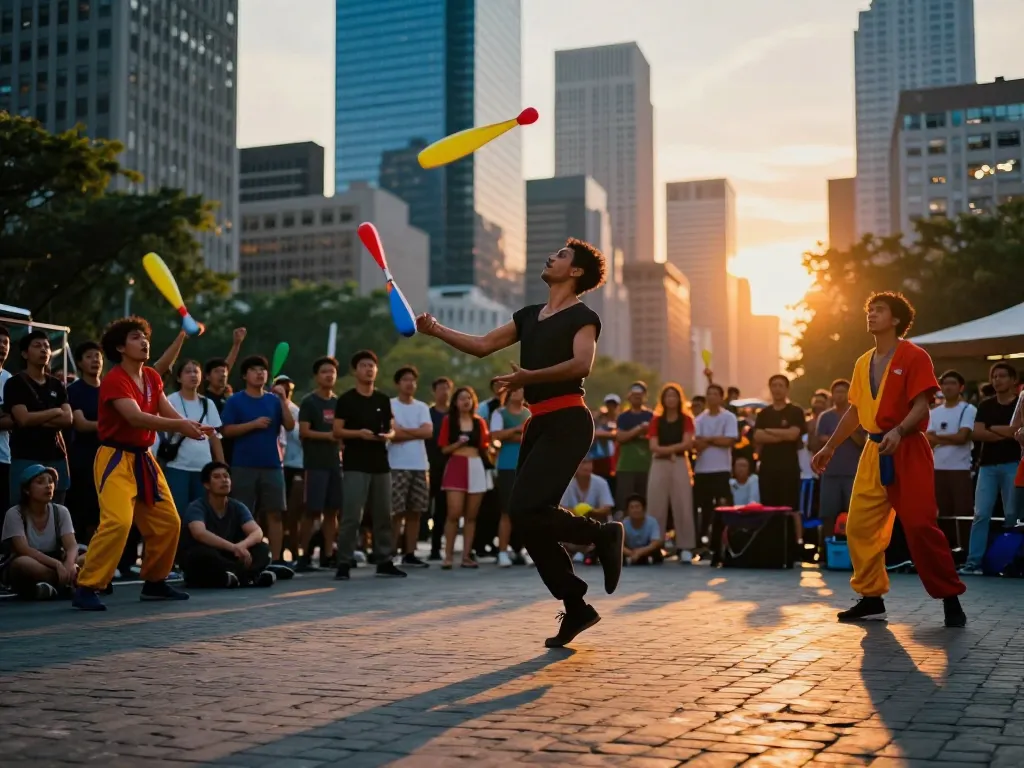
Engagement is critical for creating a memorable event experience. Incorporating interactive elements can significantly enhance guest involvement and enjoyment. From ice-breaker games to entertainment performances, interactive activities keep attendees active and connected.
Providing opportunities for participation allows guests to form connections and enhances the event's social atmosphere. Consider incorporating live polls, Q&A sessions, or even contests that encourage attendees to engage actively. Additionally, hands-on workshops or demonstrations related to the event's theme can offer valuable insights while making the experience more immersive.
Technology Integration: Enhancing Experiences
Technology has become a vital tool in event planning, offering numerous ways to enhance guest experiences. From digital registration platforms to comprehensive event management software, technology aids efficiency in planning and execution. Additionally, utilizing social media platforms during and after the event creates opportunities for real-time engagement and post-event interaction.
Live-streaming capabilities can also broaden the event's reach, allowing attendance for those unable to join in person. Moreover, interactive apps can assist with agenda management, networking opportunities, and instant feedback collection, creating a modern event experience that resonates with tech-savvy attendees.
Ambiance: Lighting and Music Choices
Ambiance is often the unseen aspect that significantly influences an event’s atmosphere. Proper lighting can transform a space, setting the mood for different phases of the event. Soft lighting can create warmth and intimacy during a wedding reception, while bright, dynamic lighting can energize a corporate gala. When planning lighting, take into account the venue's existing features and how lighting can enhance or highlight them.
Music selection also plays a crucial role in creating ambiance. Thoughtful background music can set the tone during receptions or dinners, while a lively playlist can stimulate activity during more interactive portions of the event. Collaboration with professional DJs or musicians can help shape music choices that align with the event theme, keeping guests engaged and entertained throughout.
Marketing Your Event for Maximum Attendance
Using Social Media: Targeting the Right Audience
Social media is a powerful tool for promoting events and reaching a broader audience. The key is to identify the right platforms where your target audience congregates, whether it’s Facebook, Instagram, or LinkedIn. Creating visually appealing posts with event details can generate excitement and encourage sharing among followers.
Consider utilizing event countdowns, sneak peeks, or behind-the-scenes looks to build anticipation. Engaging with followers through comments or messages fosters a sense of community and connection around the event. Additionally, leveraging social media ads can help target potential attendees effectively based on their interests and demographics, expanding your reach significantly.
Email Campaigns: Effective Messaging Strategies
Email marketing remains a key approach for keeping potential attendees informed and engaged. A well-crafted email campaign can generate interest and encourage registrations. Personalizing the message and including enticing visuals can increase open and click-through rates.
Consider segmenting your email list to tailor content to different audience groups, enhancing relevance. Providing clear calls to action, such as early bird registration or exclusive offers, can further incentivize recipients to register. Following up with reminders closer to the event date keeps it at the forefront of potential attendees' minds.
Networking: Building Partnerships for Success
Networking is pivotal in maximizing event attendance and enhancing overall experience. Collaborating with local businesses, influencers, or sponsors can broaden your resources and improve event visibility. These partnerships can provide valuable support through shared promotions, access to broader audiences, and enhanced credibility.
Encouraging attendees to network during the event can also enrich their experience. Offering structured sessions for networking, such as designated breakout rooms or guided discussions, can facilitate meaningful conversations among guests, enhancing their overall satisfaction with the event.
Measuring Success: Post-Event Review
Feedback Collection: Tools and Techniques
Analyzing the success of an event goes beyond just attendance figures; understanding guest satisfaction and areas for improvement is vital. Feedback collection should be a multi-faceted approach, utilizing surveys, social media interactions, and direct communication to gather diverse perspectives.
Online survey tools can simplify the feedback process, allowing attendees to share insights anonymously. Keeping surveys brief and focused on key areas—such as logistics, content, and overall experience—can yield more actionable responses. Additionally, encouraging open-ended feedback allows guests to voice specific suggestions or commendations.
Analyzing Attendance Metrics: What to Look For
Attendance metrics serve as a quantitative measure of event success. Look beyond sheer numbers; consider the engagement levels of attendees during the event. Tracking participation in different sessions or activities and comparing them to historical data can highlight trends and preferences.
Assessing demographics of attendees can also provide insights for future planning. Understanding which segments of your target audience attended—or did not attend—can inform marketing strategies for subsequent events. Evaluating engagement on social media or website traffic before and after the event can further provide clues about effectiveness and reach.
Reporting Success: Sharing Outcomes with Stakeholders
After gathering feedback and analyzing metrics, compiling a comprehensive report provides valuable insights for stakeholders. This report should outline successes and areas for improvement, supporting data, and qualitative feedback. Presenting this information clearly and concisely can aid in building trust and credibility with stakeholders.
Including success stories, testimonials, or photos from the event can enhance the narrative. Sharing recommendations for future events based on analysis demonstrates proactivity and reflects the commitment to continuous improvement, reinforcing stakeholder confidence in your event planning capabilities.
FAQs
What services does Casablanca Hire provide for events?
Casablanca Hire offers comprehensive event planning services, including venue selection, decor, catering, and technical support.
How can I ensure my event is themed appropriately?
Start by choosing a theme that reflects the purpose of your event and aligns it with your guests’ expectations and interests.
What are the best ways to market my event?
Utilize social media platforms, email newsletters, and local partnerships to promote your event effectively and reach a broader audience.
How can I create an engaging atmosphere for my guests?
Incorporate interactive elements such as games, photo booths, and live entertainment to foster engagement and enjoyment.
What should I do after my event concludes?
Post-event, gather feedback, analyze attendance, and report outcomes to stakeholders to learn and improve for future events.