Understanding Model Rockets
Model rocketry is not just a thrilling hobby; it also serves as a valuable educational tool, promoting creativity and hands-on learning among enthusiasts of all ages. From schools to hobbyists, the appeal of model rockets spans multiple demographics, making it an exciting opportunity for engaging with the fundamentals of physics and engineering. In this comprehensive guide, we will dive into the world of model rockets, exploring their history, types, and significance in STEM education.
What Are Model Rockets?
Model rockets are small, high-powered rockets designed to fly to specific altitudes and descend safely via recovery systems. They are typically made from lightweight materials such as cardboard, plastic, and balsa wood, allowing them to achieve impressive heights while remaining easy to assemble and launch. Powered by solid rocket motors, these mini rockets are an entry point to understanding aerodynamics, propulsion, and various scientific principles associated with flight.
The History and Evolution of Model Rocketry
The origins of model rocketry can be traced back to the 1950s when enthusiasts began experimenting with small rocket designs using commercially available materials. A significant milestone was the establishment of the American Rocketry Association in 1957, which played a crucial role in promoting safety and education in rocketry. Over the decades, advancements in materials, designs, and motor technologies have transformed model rocketry into a sophisticated hobby, making it more accessible to everyone from elementary students to seasoned engineers.
Types of Model Rockets and Their Uses
Model rockets come in various designs, each serving a distinct purpose and offering unique experiences to users:
- Starter Kits: These are perfect for beginners and include all necessary components for a successful launch.
- Educational Kits: Specifically designed for classroom use, these kits integrate STEM learning by allowing students to explore concepts in physics and engineering.
- High-Power Rockets: Crafted for advanced users, high-power rockets offer greater altitudes and complex designs, requiring special certifications for safety.
- Scale Models: These are replicas of real-life rockets, appealing to hobbyists interested in model accuracy and historical significance.
The Importance of Model Rockery in STEM Education
The role of model rocketry within the educational sphere cannot be overstated. It provides a dynamic method for engaging students with scientific principles through hands-on learning experiences. By incorporating model rockets into the curriculum, educators can facilitate deeper understanding and retention of complex subjects.
Benefits of Hands-On Learning Through Model Rockets
Experiential learning methods, such as building and launching model rockets, offer numerous advantages:
- Enhanced Engagement: Hands-on activities captivate students' attention, making learning fun and memorable.
- Critical Thinking: Students learn to solve problems and think critically as they troubleshoot issues during rocket assembly and launch.
- Team Collaboration: Many rocketry activities encourage teamwork, fostering collaboration and communication skills.
Integrating Model Rockets into Classroom Curriculum
Educators can effectively incorporate model rocketry into various subjects, such as:
- Physics: Explore forces, motion, and energy through the principles of flight.
- Mathematics: Calculate trajectories, altitudes, and distances to reinforce mathematical concepts.
- Technology: Discuss advancements in rocket design and the engineering process.
Case Studies: Successful School Rocketry Programs
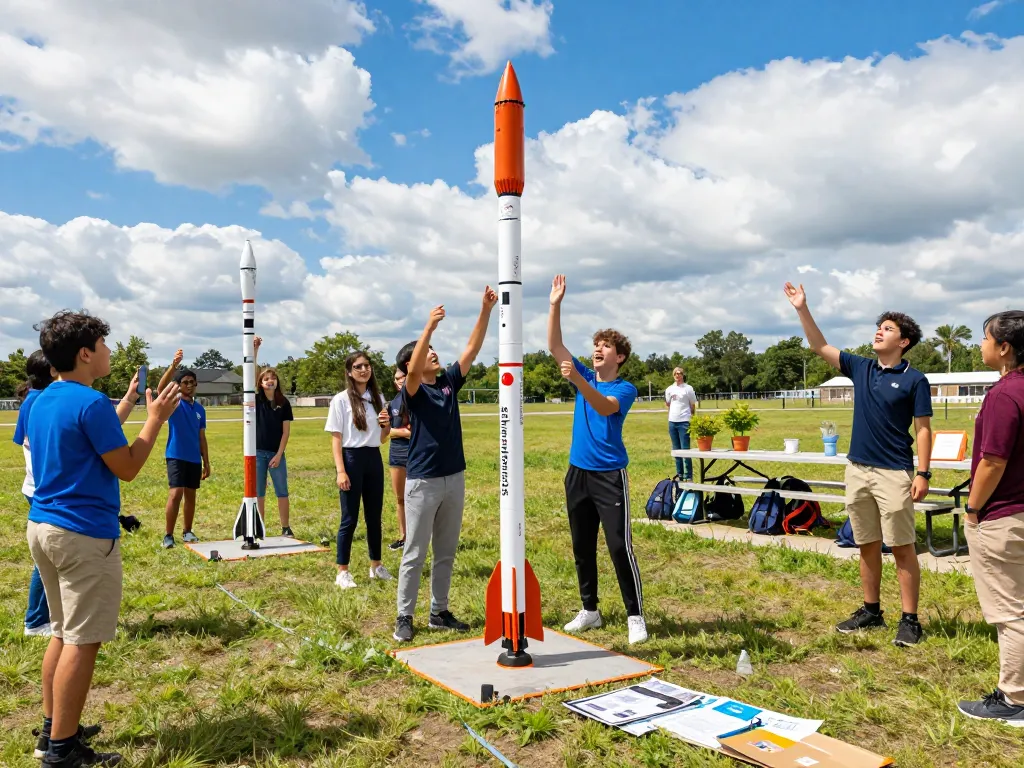
Numerous schools have successfully implemented model rocketry programs, seeing tangible results in student engagement and understanding. For example, a middle school in London integrated rocketry into their science curriculum, leading to improved exam scores and heightened interest in STEM fields among students.
Choosing the Right Model Rocket Kits
Selecting the appropriate model rocket kit is crucial, especially for beginners. The right kit can drastically enhance the experience, ensuring that users enjoy the process and succeed in achieving flight.
Beginner Kits vs. Advanced Kits: What You Need to Know
Beginner kits are typically designed for ease of assembly and immediate launching capabilities, often including everything needed for a successful launch in one package. In contrast, advanced kits may require more assembly, as they offer upgraded materials and higher performance motors, appealing to seasoned rocketry enthusiasts.
Factors to Consider When Selecting a Kit
- Skill Level: Ensure the kit matches the user's experience level to prevent frustration.
- Components and Materials: Look for quality materials to enhance durability and flight performance.
- Recovery System: Check the type of recovery system—such as parachutes or streamers—to ensure a safe descent.
Top Recommended Model Rocket Kits for 2026
As of the latest trends in 2026, some of the top recommended kits include:
- Sky Piercer Starter Set: Perfect for beginners, this kit comes with everything needed to fly and includes motors.
- Star Chaser Team Class Pack: A fantastic option for schools, providing ten kits for group activities.
- Klima Launch Pad & Igniter Bundle: Essential for safe and controlled launching.
Safe and Successful Rocket Launching
Before launching a model rocket, it is essential to follow safety protocols to ensure a successful and fun experience. Proper planning can mitigate risks and enhance enjoyment.
Pre-Launch Checklist for Model Rocketry
Creating a pre-launch checklist helps ensure that every aspect of the launch is considered. This should include:
- Checking the weather conditions to avoid strong winds or rain.
- Inspecting all rocket components for damage or wear.
- Confirming the functionality of the igniter and electrical connections.
Common Safety Guidelines and Regulations
Adhering to safety guidelines is critical in model rocketry. Key regulations include:
- Always launch in an open area away from buildings, trees, and crowds.
- Ensure all spectators are at a safe distance during launches.
- Follow local regulations regarding model rocket launching, including any necessary permissions or notifications.
Tips for a Successful Launch Experience
To enhance the launch experience, consider the following:
- Practice launch techniques beforehand to ensure smooth operation.
- Involve children and students in the preparation to foster interest and teamwork.
- Document the launch with photos or videos to share the experience later.
Future Trends in Model Rocketry
As technology progresses, model rocketry continues to evolve. The future promises exciting advancements that will further enhance the hobby and educational aspects.
Emerging Technologies in Rocket Design
Innovations in materials and motor technology are paving the way for lighter, more efficient, and higher-flying rockets. Opportunities for 3D printing and sustainable materials are also expanding, allowing for more environmentally friendly options.
Educational Innovations in Rocketry Programs
Future classroom programs are expected to incorporate virtual reality (VR) and augmented reality (AR) to simulate rocket launches and design processes, providing students with immersive learning experiences.
Predictions for Model Rocketry in the Next Decade
As model rocketry grows in popularity, we can anticipate a surge in community clubs and competitions, enhancing social interaction among enthusiasts and fostering a culture of teamwork and invention.
What Are Common Misconceptions About Model Rockets?
Common misconceptions regarding model rocketry often stem from a lack of knowledge. Many believe that model rockets are dangerous; however, when handled responsibly and with adherence to safety guidelines, they are a safe and enjoyable activity.
How Can I Get Involved in Local Rocketry Clubs?
Getting involved in local rocketry clubs is an excellent way to enhance your skills, meet fellow enthusiasts, and participate in group launches. Many clubs offer workshops, resources, and social events that can enrich the rocketry experience.
Where Can I Find Additional Resources for Model Rocketry?
Numerous online platforms and community forums provide valuable resources, including instructional videos, troubleshooting guides, and forums for discussion. Local libraries may also have books on rocketry and design principles.
What Are the Environmental Considerations When Launching Model Rockets?
Model rocket enthusiasts should be mindful of environmental impacts. This includes selecting biodegradable recovery systems and promoting practices that ensure minimal disruption to wildlife and natural habitats during launches.
Are There Competitions for Model Rocketry Enthusiasts?
Yes, several competitions exist for model rocketry enthusiasts, ranging from local club events to national championships. These events not only challenge participants but also provide an opportunity for networking and sharing knowledge.