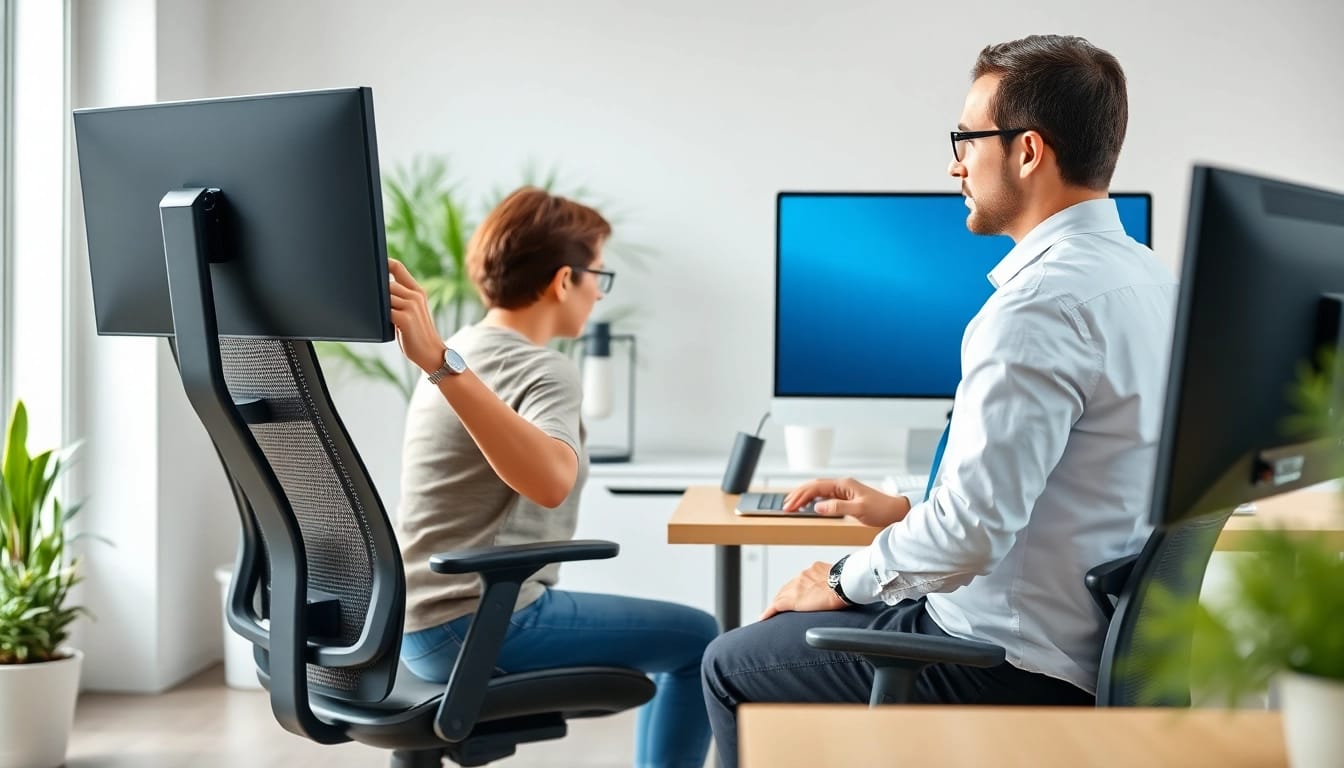
Understanding Posture and Its Impact on Health
Posture is more than just a physical position; it is a fundamental component of our overall health and well-being. Proper posture supports efficient movement, decreases stress on muscles and joints, and fosters a sense of confidence. In today's society, where prolonged sitting and electronic device usage are commonplace, understanding how to improve posture is essential for optimizing health.
Defining Good Posture
Good posture refers to the alignment of the body while standing, sitting, or lying down. The body should be balanced and aligned without undue strain on muscles and ligaments. Ideal posture can vary slightly depending on the activity undertaken; however, there are general principles that apply universally:
- Standing: Head over shoulders, shoulders back, and knees slightly bent.
- Sitting: Feet flat on the ground with knees at hip level, straight back with shoulders relaxed.
- Lying down: Head and neck aligned with the spine, using a supportive mattress and pillow.
Common Posture Problems
Many individuals suffer from posture problems that can adversely impact their health. Common issues include:
- Forward Head Posture: Often caused by prolonged computer usage, leading to neck and upper back pain.
- Rounded Shoulders: A consequence of slouching, which can cause tightness in the chest and weakness in the upper back.
- Anterior Pelvic Tilt: Common in individuals who sit for long periods, resulting in lower back pain and poor movement patterns.
Health Consequences of Poor Posture
Poor posture can lead to several health issues that extend beyond discomfort. Long-term consequences may include:
- Chronic back and neck pain
- Migraine and tension headaches
- Reduced lung capacity and difficulties in breathing
- Digestive problems due to compression of internal organs
Recognizing the importance of posture is crucial not only for alleviating these health concerns but also for enhancing performance in sports and daily activities.
How to Improve Posture: Techniques and Exercises
Improving posture involves a combination of strengthening, stretching, and conscious body awareness. Here’s how you can effectively enhance your posture through practical techniques and exercises.
Strengthening Core Muscles
The core muscles, including the abdomen, back, and pelvic muscles, play a pivotal role in maintaining good posture. Strengthening these muscles can significantly improve stability and alignment.
Effective core-strengthening exercises include:
- Planks: Engage multiple muscles while enhancing stability.
- Bridges: Strengthen the glutes, hamstrings, and lower back.
- Bird-Dog: Promote balance and coordination while engaging the core.
Stretching for Flexibility
Flexibility is essential for good posture. Tension in muscles can lead to discomfort and imbalance. Here are some stretches that can aid in achieving better flexibility:
- Chest Stretch: Opens up the chest area, alleviating tightness from slouching.
- Shoulder Blade Squeeze: Releases tension and improves upper back alignment.
- Spinal Twist: Enhances spinal mobility and relieves lower back stiffness.
Posture Correction Techniques
Simple posture correction techniques can help reinforce good habits throughout the day. Consider implementing the following:
- Conscious Awareness: Regularly check your posture throughout the day. Set reminders to adjust your positioning.
- Posture Correcting Devices: Use wearable devices or apps that provide feedback on your posture.
- Breathing Exercises: Practice diaphragmatic breathing, which can help relax tension and promote a more upright posture.
The Role of Ergonomics in Posture
Creating an ergonomic workspace is crucial for maintaining good posture during long hours of work or study. Ergonomics is the science of designing workplace environments that improve comfort and efficiency.
Ergonomic Office Setup
To achieve an ergonomic office setup, consider the following guidelines:
- Monitor Height: The top of your monitor should be at eye level to prevent neck strain.
- Chair Adjustments: Use a chair that supports your lower back, and adjust its height so that your feet are flat on the floor.
- Keyboard Position: Keep your keyboard and mouse at elbow height to reduce strain on your shoulders and wrists.
Choosing the Right Furniture
Selecting adjustable and supportive furniture can significantly impact posture. Consider investing in:
- Ergonomic Chairs: Chairs with lumbar support to encourage a healthy seating posture.
- Standing Desks: Allow alternatives to sitting by enabling standing work options.
- Footrests: Help maintain proper leg positioning and blood circulation.
Adjusting Your Work Environment
Optimization of your entire work environment can prevent poor posture practices. Implement changes such as:
- Desk Organization: Place frequently used items within arm's reach to minimize stretching and twisting.
- Lighting: Ensure adequate lighting to prevent slouching while trying to see your screen better.
- Flooring: Invest in supportive mats if you stand for long periods to reduce fatigue.
Daily Habits to Maintain Good Posture
Incorporating good habits into daily routines is essential for maintaining proper posture. Here are several practical strategies:
Mindfulness and Body Awareness
Practicing mindfulness can increase your awareness of body positioning. Techniques such as meditation or yoga can help you become more conscious of your posture and its impact on everyday life.
Incorporating Breaks in Your Routine
Prolonged periods of sitting can lead to stiffness and poor posture. Set a timer every hour to stand up, stretch, or walk around. Incorporating regular breaks can enhance circulation and muscle flexibility.
Proper Lifting Techniques
Whether you're lifting heavy objects at work or lifting groceries, following proper lifting techniques is vital to avoid injury:
- Bend at the knees, not at the waist, to maintain a straight back.
- Keep the object close to your body to avoid straining your back.
- Engage your core muscles when lifting to provide additional support.
Tracking Your Posture Progress
To make lasting improvements in posture, it is crucial to track your progress and make necessary adjustments over time. Here are some effective strategies:
Using Technology for Feedback
Technology can be a valuable ally in monitoring posture. Consider using:
- Posture Apps: Many apps provide reminders and tips for maintaining good posture.
- Wearable Devices: Devices that vibrate when poor posture is detected can help promote awareness.
Setting Realistic Goals
Establish achievable posture improvement goals. Break the process into manageable steps, such as:
- Commencing a morning stretching routine.
- Incorporating one strength-training session per week.
- Adjusting your workspace setup within the first month.
Evaluating Your Progress Regularly
Regularly assess your posture and the effectiveness of strategies implemented. Use checkpoints, like monthly reviews, to determine progress and make adjustments as needed.
Frequently Asked Questions
What are symptoms of poor posture?
Symptoms include chronic back and neck pain, fatigue, headaches, and decreased range of motion.
How often should I correct my posture?
Consciously check your posture several times throughout the day, especially when working at a desk.
Can poor posture lead to long-term health issues?
Yes, it can cause chronic pain, breathing difficulties, digestive problems, and reduced mobility over time.
What exercises can I do to improve posture at home?
Exercises like planks, bridges, and chest stretches are effective and can be done with minimal equipment.
How long does it take to see improvements?
Improvements can be noticed within a few weeks with consistent practice of posture techniques and exercises.