Understanding Metal Fence Panels
What Are Metal Fence Panels?
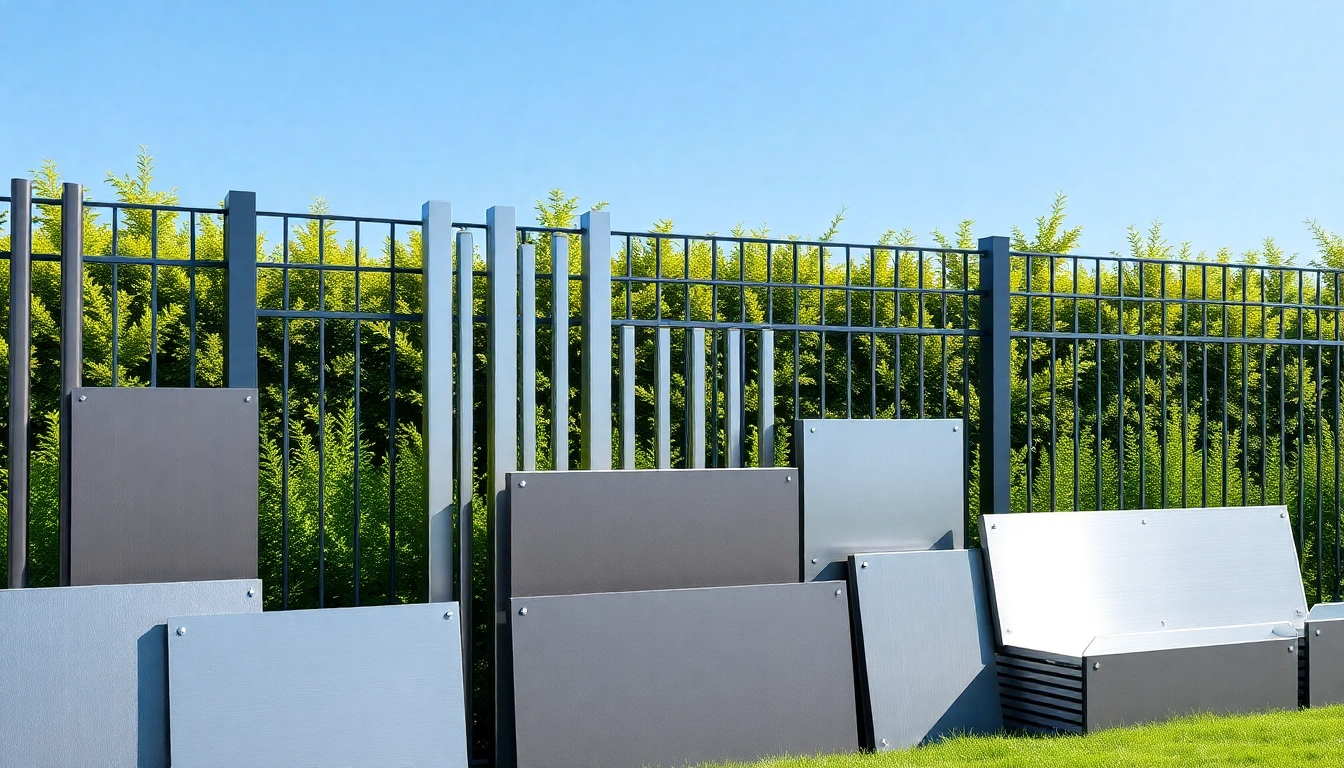
Metal fence panels are durable enclosures made from various metals, designed to define boundaries, provide security, and enhance aesthetic appeal. Unlike traditional wooden fences, metal variations offer superior longevity and resilience to weather elements. Available in numerous styles, metal fence panels suit residential, commercial, and industrial settings alike. Their robust construction ensures that they hold up against wear and tear, making them a popular choice for property owners seeking a long-term fencing solution. For more information about specific products and options, visit www.metalfencepanels.co.uk.
Benefits of Using Metal Fence Panels
The advantages of installing metal fence panels are numerous:
- Durability: Metal panels resist warping, rotting, and insect damage, providing a long-lasting fencing solution.
- Security: Their sturdy construction deters unauthorized access and provides improved safety for properties.
- Low Maintenance: Unlike wood, metal requires minimal upkeep, often just cleaning and occasional rust treatment.
- Versatility: Available in various styles, colors, and finishes, metal panels can complement any architectural design.
- Eco-Friendliness: Many metal options are made from recycled materials and are fully recyclable themselves at the end of their life cycle.
Common Materials Used
Metal fence panels can be constructed from a variety of materials, each offering distinct attributes:
- Steel: Known for its strength and resilience, steel options include galvanized and powder-coated finishes to prevent rust.
- Aluminum: Lightweight and resistant to corrosion, aluminum panels are often preferred for decorative fencing.
- Wrought Iron: This traditional material offers elegance and robust security, ideal for ornamental fencing.
Types of Metal Fence Panels
Chain Link vs. Welded Wire
Chain link fencing is ubiquitous in both residential and commercial applications due to its affordability and effectiveness. Made up of interlocked steel wires, chain link provides visibility while still offering security. On the other hand, welded wire panels are comprised of thicker wires that are welded together to form a robust grid, offering added strength and often preferred for more secure applications.
Ornamental Iron Panels
Ornamental iron panels exemplify the fusion of beauty and strength. Crafted from wrought iron, these panels feature intricate designs that enhance landscape aesthetics while providing strong physical barriers. Ideal for garden enclosures and pool areas, ornamental iron can also be customized to fit specific design themes.
Steel and Aluminum Options
Steel and aluminum fencing panels cater to different needs. Steel panels are significantly stronger and can withstand harsher conditions, while aluminum panels are lightweight and resistant to rust, making them ideal for coastal areas. Both materials can be treated to enhance their appearance and resistance to environmental factors.
Installation Considerations
Tools Required for Installation
Installing metal fence panels requires various tools, including:
- Post hole digger or auger
- Level for ensuring upright posts
- Measuring tape to ensure accurate spacing
- Pliers and wire cutters for chain link installations
- Concrete mix for securing posts
DIY vs. Professional Installation
The decision to install metal fence panels yourself or hire a professional depends on your experience level and project complexity. DIY installation can save money and allows for personal customization, but it may be time-consuming and physically demanding. Hiring professionals ensures a proper installation, saving time and potentially avoiding costly mistakes.
Permits and Regulations
Before installation, it’s vital to check local zoning laws and regulations. Some areas require permits for fence installation, especially for panels exceeding certain heights or for particular materials. Ensuring compliance with local codes minimizes the risk of disputes or fines down the line.
Maintenance Tips for Longevity
Cleaning and Care
Regular cleaning is crucial for preserving the appearance and functionality of metal fence panels. A simple wash with water and mild detergent can prevent dirt accumulation. For tougher stains, a mix of vinegar and water provides effective cleaning without harsh chemicals.
Rust Prevention Techniques
Rust can compromise the integrity of metal panels. To prevent it, consider applying a high-quality metal primer followed by paint, or opt for galvanized or powder-coated finishes. Regular inspections can also help in identifying areas where rust may develop, allowing for early intervention.
Repairing Damaged Panels
If panels become bent, dented, or rusted, timely repairs are essential. For minor dents, using a rubber mallet can return the panel to its shape. For rusted areas, sand the rust off, treat the area with a rust-inhibiting solution, and repaint as needed to restore protection.
Enhancing Your Property’s Aesthetic
Color Choices and Finishes
Metal fence panels come in various colors and finishes, allowing you to tailor them to your property’s aesthetic. Standard colors include black, white, and green, but custom colors are available to coordinate with your home. Textured finishes add visual interest, making your fence a design feature rather than a mere boundary.
Integrating Landscape Design
When planning your fence, consider how it interacts with your landscape. Planting climbing vines or flowers near the panels can soften their appearance and enhance privacy. Additionally, installing metal panels alongside retaining walls can create striking visual contrasts and functional boundaries.
Lighting and Security Features
Combining lighting fixtures with metal fence panels increases security and enhances aesthetics. Motion-sensor lights deter intruders, while decorative lighting can accentuate the design of your fence during the night. Security features such as barbed wire or spikes are also available but should be used thoughtfully and in compliance with local regulations.
FAQs About Metal Fence Panels
1. How long do metal fence panels last?
Metal fence panels can last 20 years or more, depending on the material, maintenance, and environmental exposure.
2. Can I paint my metal fence panels?
Yes, painting metal fencing is possible and can enhance appearance; ensure you use appropriate metal paint for durability.
3. Are metal fence panels safe for pets?
Generally, metal fence panels provide a secure environment for pets, especially if they are tall and properly installed.
4. Do metal fence panels require a permit before installation?
Permit requirements vary by location; check local regulations to ensure compliance before installation.
5. Can metal fence panels be repaired if damaged?
Yes, most damages can be repaired. Depending on the extent, repairs may include straightening, rust treatment, or replacing sections.