
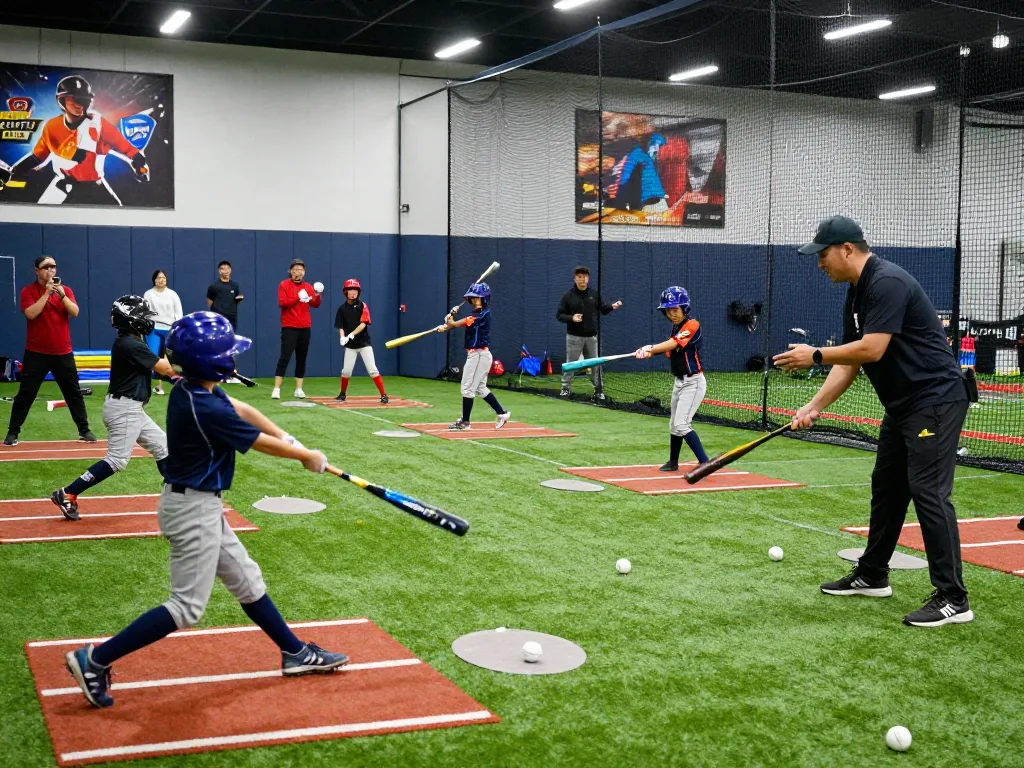

Understanding the Hit Club Concept
The concept of a “hit club” in baseball serves as a foundational pillar for aspiring athletes focused on developing their skills in batting. This term generally encompasses a training environment, often associated with specific facilities or organizations, that emphasizes not just practice but a community of players dedicated to improving their game. Engaging with a hit club means participating in comprehensive training that combines physical skills, mental preparation, and teamwork.
What is the Hit Club in Baseball?
A “hit club” is essentially a program designed for players, especially at the youth level, to focus on hitting skills. This can include access to facilities equipped with batting cages, professional coaching, and structured training programs. The primary goal is to help players hone their batting techniques, understand hitting mechanics, and learn to execute under pressure, simulating game conditions.
Importance of Batting Practice for Young Athletes
Regular batting practice is crucial for young athletes as it not only builds muscle memory but also enhances confidence at the plate. The repetition of swinging the bat, making contact, and understanding pitch timing are essential elements of a player’s development. Engaging in consistent practice helps in understanding the nuances of hitting, which can lead to significant improvements in a player’s performance during games.
Training Techniques to Enhance Performance
To maximize the effectiveness of training within a hit club, incorporating diverse techniques is key. These techniques often include a blend of traditional drills and modern training aids designed to accelerate learning curves.
Effective Batting Drills for Hit Club Members
Batting drills are the backbone of any training regimen in a hit club. Some effective drills include:
- Tee Work: Using a batting tee allows players to focus on their form and hand-eye coordination without the variables introduced by pitching.
- Soft Toss: A coach or teammate tosses the ball lightly from the side, helping players practice timing and contact.
- Live Pitching: Engaging with live pitchers can simulate game conditions, increasing the challenge and preparing players for actual games.
Utilizing Technology in Skill Development
The incorporation of technology into training has become increasingly prevalent in youth sports. Using devices such as bat sensors and video analysis tools can provide immediate feedback on swing mechanics. This allows players and coaches to pinpoint areas for improvement and adjust techniques effectively. Through technology, aspiring players can refine their skills in a more targeted manner.
Incorporating Mental Training into Physical Practice
Mental toughness is as important as physical ability in baseball. Incorporating mental training can involve visualization techniques, where players envision themselves succeeding in various scenarios, or mindfulness practices to help them stay focused during games. Both approaches can lead to enhanced performance and reduced anxiety under pressure.
Building a Supportive Training Environment
Training is not solely an individual endeavor; it thrives in a supportive community. Creating a positive training atmosphere can significantly influence player development.
Creating a Community Among Young Athletes
Building camaraderie among team members can enhance motivation and accountability. Teams that foster a community spirit often see increased participation and effort during practices. Organizing team-building events and social activities can help strengthen bonds, making the training process more enjoyable.
Engagement of Parents and Families in Training
Parents and families play a vital role in their children’s sports journeys. Encouraging involvement can range from attending practices and games to assisting with logistics and volunteering for events. When families are engaged, it creates a more comprehensive support system for young athletes, reinforcing their commitment to improvement.
Leveraging Social Media for Team Collaboration
In the digital age, social media can be a powerful tool for teams to communicate and collaborate. Platforms such as Facebook, Instagram, or dedicated team apps can be used to share schedules, highlight performances, and foster engagement between members. This connectivity contributes to a cohesive unit, promoting a supportive training environment.
Tracking and Measuring Improvement
In any training program, monitoring progress is essential for ensuring that players are improving and meeting their goals. Establishing clear metrics allows players and coaches to gauge development effectively.
Setting Performance Metrics for Hit Club Members
Performance metrics can include a variety of statistics that gauge player improvement. Common metrics in baseball may involve batting averages, on-base percentages, and slugging percentages. Players can set personal goals based on these metrics, aiming to surpass their previous performances.
Feedback Loops: Coaching and Self-Assessment
Regular feedback from coaches, paired with self-assessment, can guide players on their improvement journey. Coaches should provide constructive criticism, while players should also engage in self-reflection to understand their own strengths and weaknesses. This two-way feedback loop fosters personal growth and enhances skill acquisition.
Analyzing Game Performance for Continuous Growth
Post-game analysis is crucial for continuous improvement. Coaches and players should review game footage, discussing both successes and areas needing improvement. This practice enables players to learn from their experiences, adapting their training to address specific challenges observed during games.
Future Trends in Youth Baseball Training
The landscape of youth baseball is continually evolving, with advancements in training methods and technology shaping the future of how athletes develop their skills.
Innovative Technologies in Baseball Training by 2026
By 2026, we can expect further integration of innovative technologies, such as virtual reality (VR) for simulating game scenarios and advanced analytics for performance tracking. These technologies will allow players to practice more effectively, helping them to respond to situations they will face in actual games.
Emerging Strategies for Youth Athlete Development
As the understanding of youth development grows, new coaching strategies emphasizing holistic player development will emerge. This includes not only physical training but also social and emotional growth, ensuring that young athletes develop into well-rounded individuals.
The Evolution of Coaching Techniques in Baseball
Coaching techniques are becoming increasingly data-driven, with coaches utilizing analytics to tailor their approaches. This shift is leading to more personalized training regimens that cater to each player’s unique strengths and weaknesses. Coaches will increasingly focus on understanding each athlete’s learning style to optimize their training outcomes.
What are the benefits of joining a hit club?
Joining a hit club offers numerous benefits, including access to specialized coaching, an environment focused on skill development, and opportunities for competition. Players can gain valuable insights from experienced coaches while building relationships with peers who share similar goals.
How can technology aid training in youth sports?
Technology aids training by providing tools for analysis, tracking performance metrics, and enhancing the practice experience. Devices like swing analyzers help players understand their mechanics, while video analysis allows for detailed feedback that can lead to improvement.
What types of drills should youth players focus on?
Youth players should focus on drills that improve fundamental skills, including hitting, catching, and throwing. Specific drills that emphasize technique, timing, and coordination are crucial for developing these essential skills.
How can parents best support their young athletes?
Parents can support their young athletes by providing encouragement, attending games, and helping with logistics. They should also focus on fostering a positive attitude towards competition and development, emphasizing effort over outcomes.
What are the key metrics for measuring improvement in youth baseball?
Key metrics for measuring improvement include batting averages, strikeouts, and fielding percentages. Setting personal goals based on these metrics can help motivate players and provide clear benchmarks for evaluating progress.